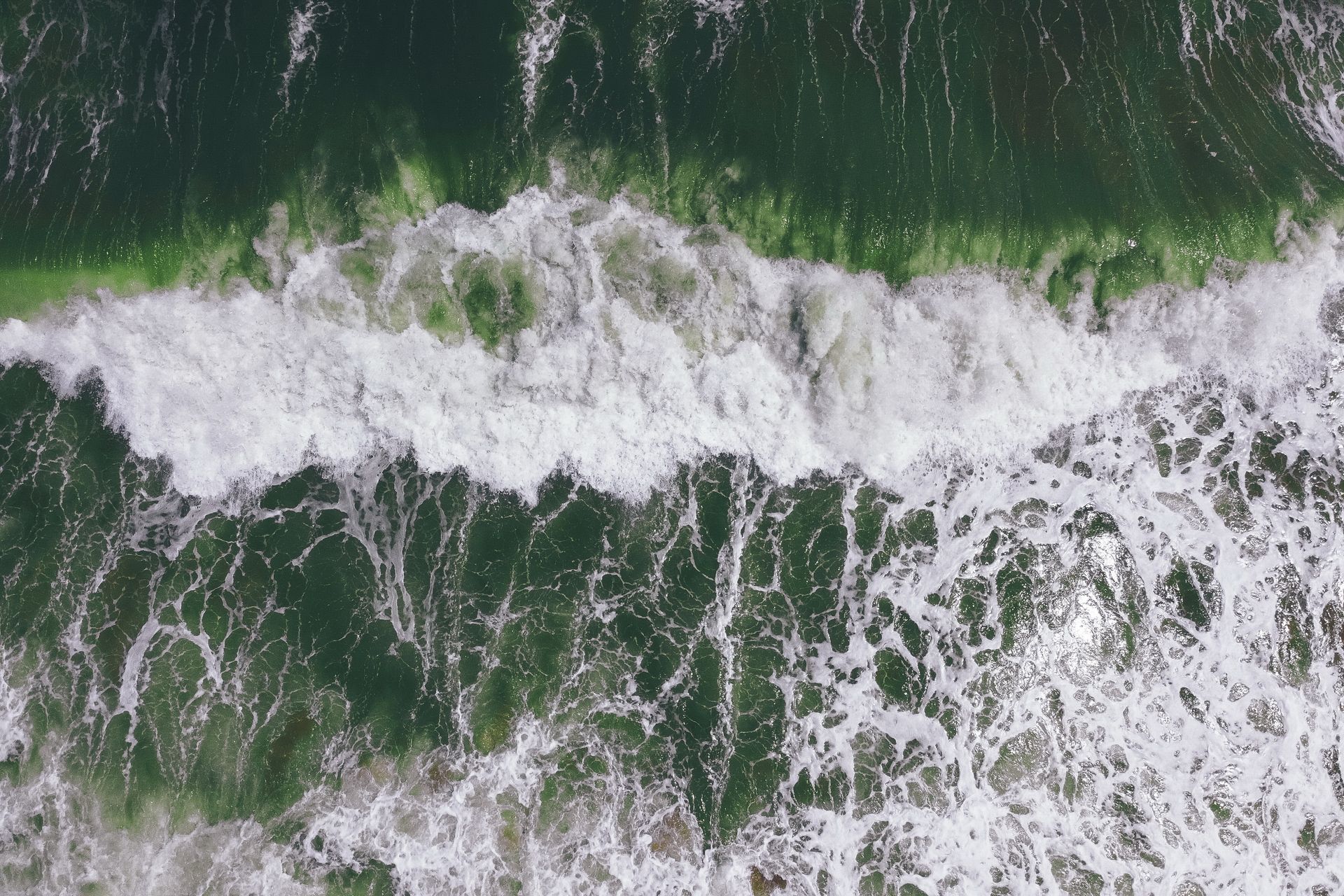
I went to the water to think, and the water refused to cooperate. It had its own rhythms, its own volume, its own complete indifference to my agenda. It took me an hour to stop arguing with it — and that hour changed how I listen to everything.
We live in an age of half-listening. We listen to reply, to fix, to post. We listen the way we skim. The sea does not skim. Every wave arrives fully, spends itself completely, and withdraws without resentment. Sitting with that for an afternoon is a masterclass no podcast can give you.
Listening as hospitality
A wise friend once told me that listening is the only hospitality that costs nothing and means everything. To receive another person's words the way the shore receives the wave — without interrupting, without bracing — is rarer than generosity and harder than patience.
Most of us, myself included, listen with our answer warming up in the wings. Try this instead: when someone speaks, let a full breath pass before you respond. In that breath, something honest often surfaces — in them, and in you.
“The world is speaking constantly. The shortage was never of voices, but of listeners.”
Practices for noisy hearts
Start with what is not human. Sit near moving water, wind in leaves, rain on a roof — and listen without naming. When the mind labels (“that's a gull”), gently set the label down and return to the raw sound. Ten minutes is enough to begin.
Then carry it to people. In your next real conversation, listen for what is felt, not just what is said. Notice the pause before the hard sentence. Honour it. The deepest things are always said quietly, and only once.
Written by Elena Marsh · Recorded first as waves, then as words
Back to the beginning: Walking Toward Deeper Kinship All essays