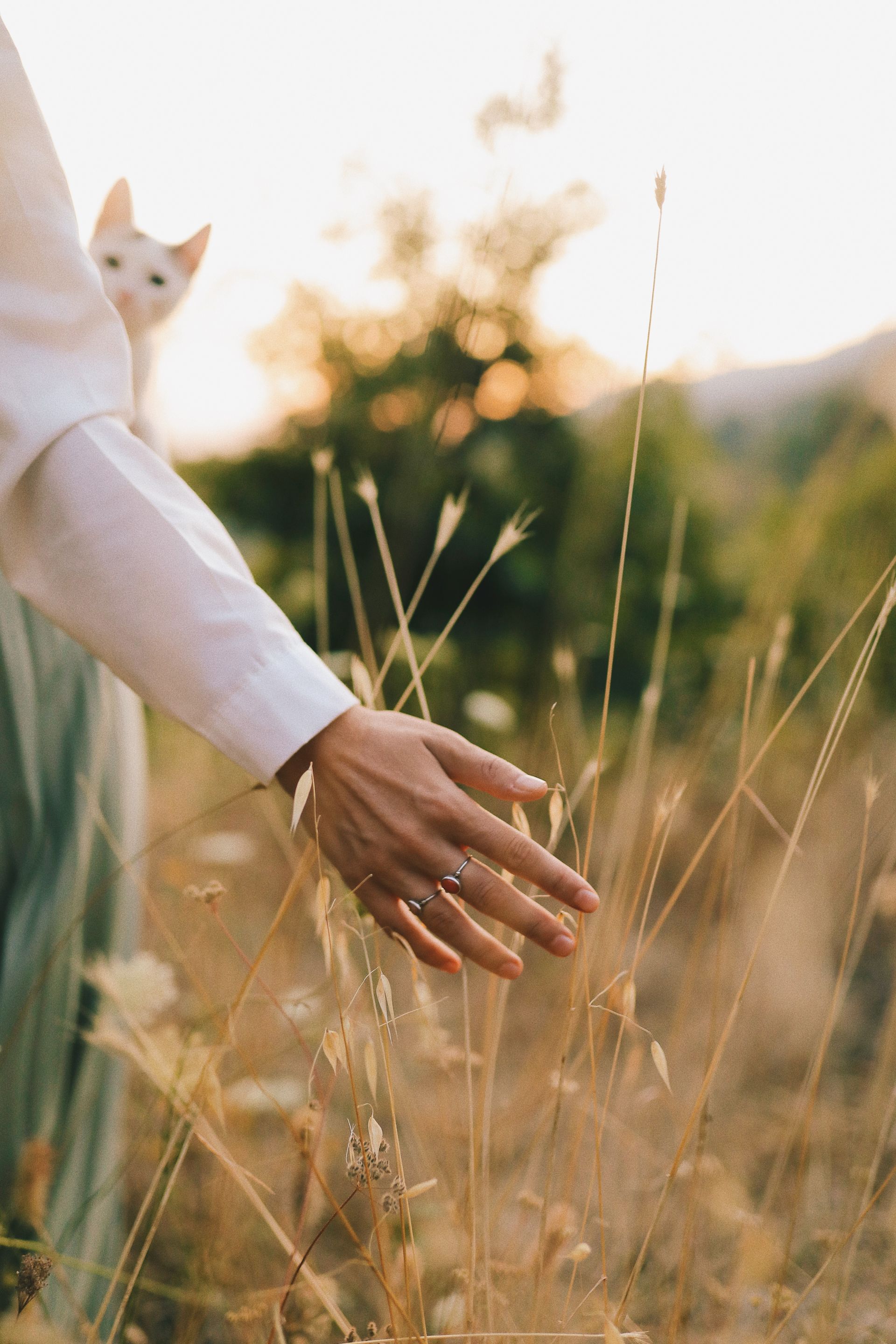
The path behind the chapel is mown only twice a year, so by late August the grass stands waist-high, gone to seed, humming with insects. I walked it every evening that month, and the field slowly taught me something no sermon ever had.
At first I walked the way I do everything — briskly, phone in pocket, mind rehearsing tomorrow. The grass resisted me. It caught at my sleeves. It slowed me to its own tempo, which is the tempo of growing things: unhurried, unworried, entirely present.
The discipline of the slow path
There is an old practice, older than any tradition I belong to, of walking a familiar path until it becomes a teacher. The first dozen times you notice the scenery. After that, if you keep going, you begin to notice yourself — the hurry, the grasping, the strange belief that peace is always one errand away.
By the third week, I had stopped bringing my phone. By the fourth, I had stopped rehearsing. I started noticing the swallows stitching the sky, the exact hour the light turned to honey, the way the seed heads bowed all in one direction, as if listening to the same distant music.
“Belonging is not something we achieve. It is something we finally stop outrunning.”
Held, not holding
One evening I stopped in the middle of the field and let the grass close around my hands. I realised I had spent years trying to hold my life together — my faith, my work, my people — the way you grip water. The field asked nothing of my grip. It simply held me: the ground under my shoes, the air in my lungs, the light on my face.
Kinship, I am learning, is the opposite of possession. You cannot seize your place in the world. You can only arrive in it, again and again, until arriving becomes home.
A practice to carry home
Find a path near you — a block, a park loop, a stretch of hallway — and walk it slowly, three evenings in a row. Leave the earbuds behind. Let the world set the pace. Notice what resists your hurry, and thank it.
Then come back and tell someone what you saw. Kinship doubles when it is spoken aloud.
Written by Elena Marsh · First published under a late-summer moon