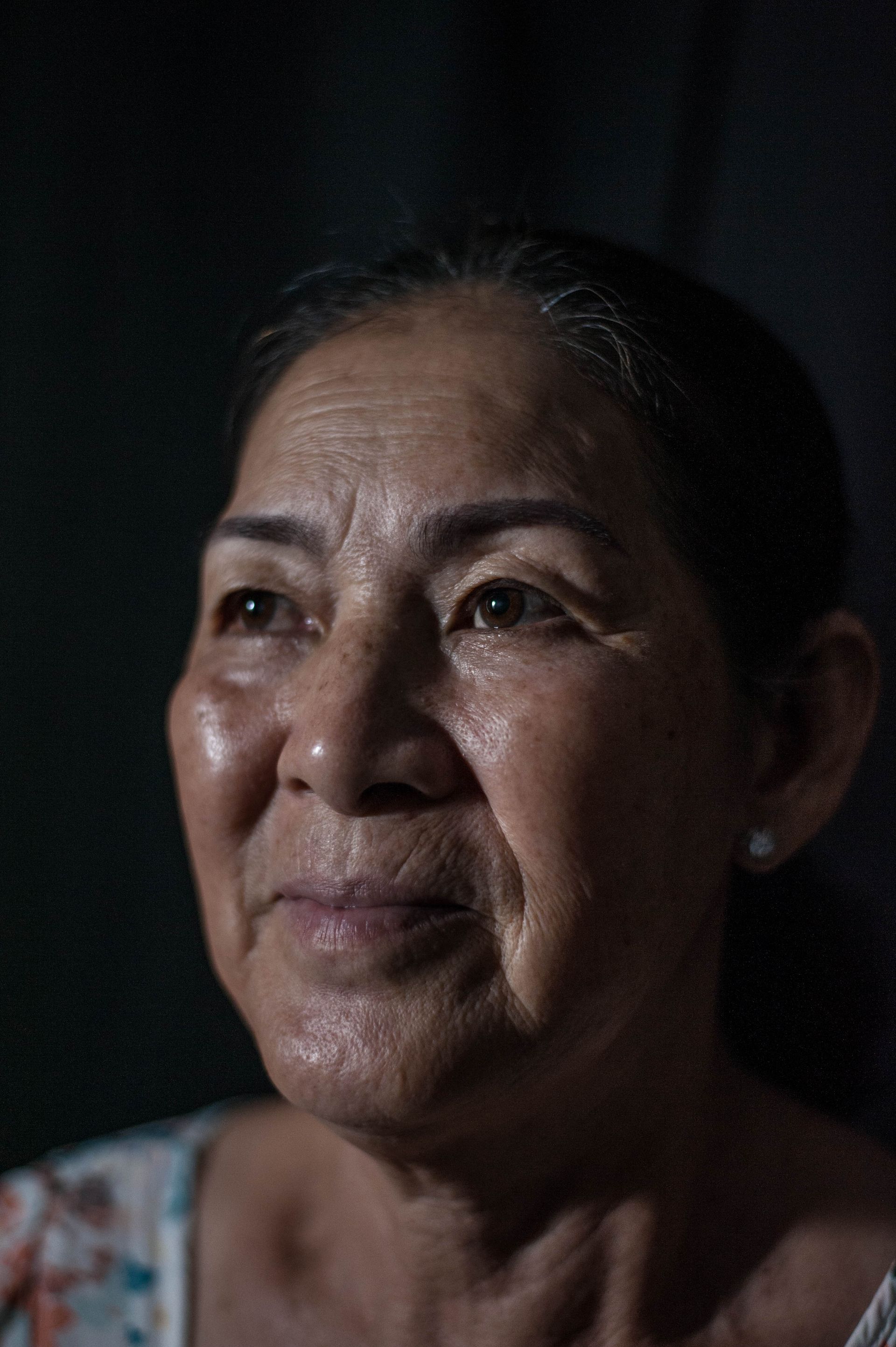
My grandmother prayed every morning for seventy years and died, by her own cheerful admission, with most of her questions intact. For a long time I thought that was a tragedy. Now I think it might have been the whole point.
She kept a notebook by her chair — not a journal of answers, but a ledger of wonderings. Why do the innocent suffer? Where do the dead wait? What does forgiveness actually feel like, from the inside? She underlined some entries twice. She answered almost none of them.
Faith as a direction, not a destination
Somewhere along the way, many of us absorbed the idea that a mature faith is a finished one — a house with every room furnished and every drawer labelled. Doubt, in that picture, is a defect: a draught under the door to be sealed.
But the oldest stories I love tell it differently. The pilgrims, the prophets, the midnight wrestlers — none of them arrive at certainty. They arrive at relationship. They walk with their limp. They keep the notebook open.
“A finished faith can be admired. Only an unfinished one can still grow.”
What her eyes knew
In her last years, people would ask my grandmother how she kept her faith through war, widowhood, and a century that broke so many promises. She would smile — that slow, lined smile of someone who has stopped performing — and say, “I never kept it. It kept me, mostly while I wasn't looking.”
There is a difference between believing things and being held by something larger than your understanding. She lived in the second kind. It asked less of her intellect and more of her mornings: show up, light the lamp, say the words, release the day.
Permission to be unfinished
If your faith feels frayed at the edges, consider that the fraying might be the growing. Ask the question out loud. Write it in a notebook. Underline it twice. Then make tea, call a friend, and live the next faithful hour anyway.
Completion was never the assignment. Continuation is.
Written by Elena Marsh · In memory of Rosa, 1928–2024